Care tips
Flowers and Pets: What's Safe for Cats and Dogs
Lilies are dangerous to cats. Here is the ASPCA status of 23 popular flowers, what to do if a pet eats one, and pet-friendlier picks.

On this page
Flowers and pets can share an apartment, but a few blooms need real caution. Most of the flowers in this guide cause, at worst, an upset stomach. Lilies are the big exception, and if there is a cat in the home, they are the one thing to know about.
Lilies and cats come first
True lilies (Lilium, such as Easter, Asiatic, Oriental and stargazer lilies) and daylilies (Hemerocallis) are toxic to cats. The ASPCA lists signs such as vomiting, loss of appetite and lethargy, and warns that kidney failure and death are possible. Cats are the only species known to be affected this way; the ASPCA lists Easter lily as non-toxic to dogs, though other plants called lilies, such as gloriosa and calla, are toxic to dogs too.
- Every part counts. Petals, leaves, stems, pollen and even the water in the vase can be dangerous to a cat. A cat that brushes past a lily and licks pollen off its fur is at risk.
- Don't wait for symptoms. If a cat may have chewed a lily, licked its pollen or drunk its vase water, call your vet, an emergency animal hospital or the ASPCA Animal Poison Control Center at (888) 426-4435 right away. Early treatment matters.
- Keep them out, not just up high. Cats climb and jump. In a home with a cat, the safest lily is no lily.
Callas and peace lilies are not true lilies. Both are toxic to cats and dogs, but the ASPCA lists mouth irritation rather than kidney damage. Callas are listed below. If you love lilies and have no cat, see our lily care guide.
Flower by flower
This is how the ASPCA rates the flowers we use most. "Toxic" covers a wide range, from a mild tummy upset to serious poisoning, so we note the main signs the ASPCA gives.
- Lilies (true lilies and daylilies): toxic to cats, possibly fatal. See above.
- Gloriosa lilies (glory lilies): toxic to cats, dogs and horses. The ASPCA lists vomiting and diarrhea (sometimes with blood), shock, kidney failure and liver damage. Keep them away from every pet.
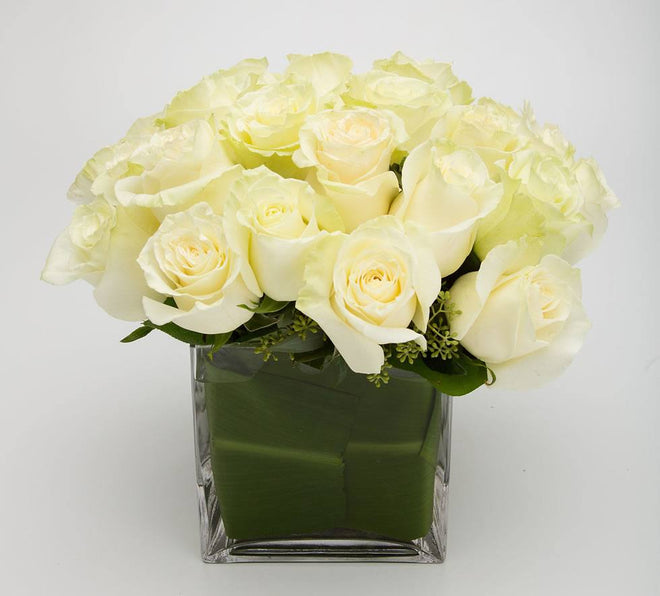
- Roses: non-toxic to cats and dogs. Mind the thorns, which can hurt a curious mouth or paw.
- Hydrangeas: toxic to cats and dogs. Vomiting, depression and diarrhea.
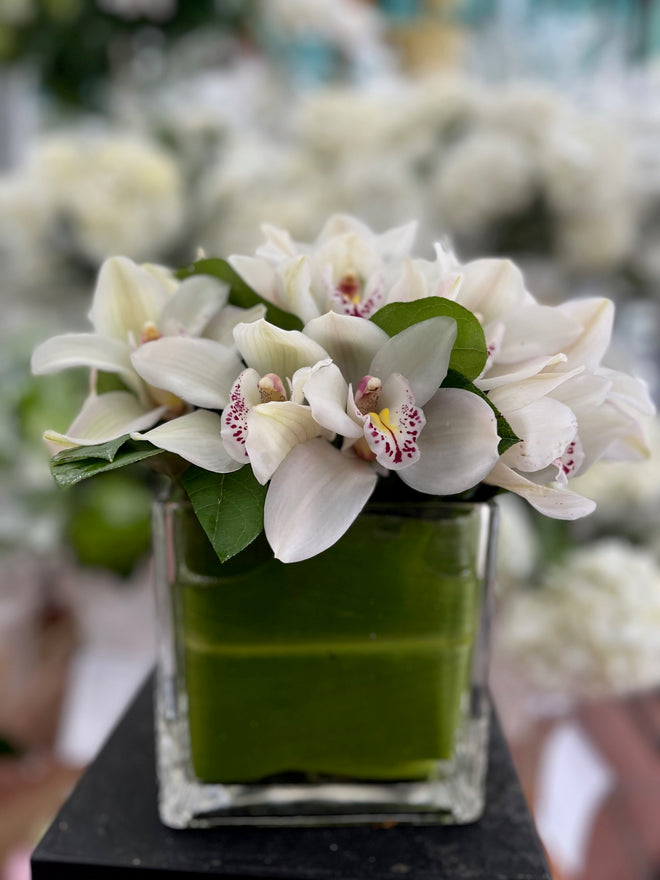
- Cymbidium orchids: non-toxic to cats and dogs, per the ASPCA's safe-bouquet advice (it has no separate database entry).
- Phalaenopsis orchids (moth orchids): non-toxic to cats and dogs.
- Ranunculus: toxic to cats and dogs (listed as buttercup). Vomiting, diarrhea, drooling and mouth sores.
- Calla lilies: toxic to cats and dogs. Intense burning and irritation of the mouth, drooling, vomiting and trouble swallowing.
- Lisianthus: non-toxic to cats and dogs, per the ASPCA's safe-bouquet advice (it has no separate database entry).
- Tulips: toxic to cats and dogs. Vomiting, depression, diarrhea and drooling. The bulb holds the most toxin.
- Peonies: toxic to cats and dogs. Vomiting, diarrhea and depression.
- Hyacinths: toxic to cats and dogs. Intense vomiting and diarrhea, sometimes with blood, depression and tremors.
- Amaryllis: toxic to cats and dogs. Vomiting, diarrhea, abdominal pain, drooling and tremors.
- Freesia: non-toxic to cats and dogs; eating it may upset the stomach.
- Snapdragons: non-toxic to cats and dogs.
- Dahlias: toxic to cats and dogs. Mild stomach upset and mild skin irritation.
- Gerbera daisies: non-toxic to cats and dogs.
- Delphinium (larkspur): toxic to cats, dogs and horses. The ASPCA lists drooling, muscle tremors, weakness and convulsions.
- Hypericum berries: a relative of St. John's wort, which the ASPCA lists as toxic to cats, dogs and horses. It can make skin sensitive to sunlight, with sores on the skin.
- Eucalyptus: toxic to cats, dogs and horses. Drooling, vomiting, diarrhea, depression and weakness.
- Ti leaves: toxic to cats and dogs (the ASPCA lists vomiting and drooling). Many of our cube arrangements are lined with ti leaves or with banana leaves, which the ASPCA lists as non-toxic.
- Lilac: common lilac (Syringa) is not on the ASPCA list, either as toxic or non-toxic, so ask your vet if you have questions. The plant sometimes called Persian lilac (chinaberry, Melia) is a different plant and is toxic.
- Succulents: it depends on the plant. Echeveria rosettes are listed as non-toxic, while jade plant, aloe and kalanchoe are toxic to cats and dogs. We use a mix of succulents depending on what comes in, so call the shop and we'll tell you which one is in your pot.
- Poinsettias: toxic to cats and dogs, but the ASPCA calls them generally over-rated in toxicity. The sap irritates the mouth and stomach and can cause vomiting.
Non-toxic does not mean snack-safe. The ASPCA notes that eating any plant material can cause vomiting and stomach upset in cats and dogs. The full list, with photos, is on the ASPCA Toxic and Non-Toxic Plants page.
If your pet eats a flower
- Move the pet away and take the flowers out of reach.
- Note what was eaten, roughly how much and when. Keep a stem or a photo of the arrangement.
- Call your veterinarian or the ASPCA Animal Poison Control Center at (888) 426-4435, open 24 hours a day. A consultation fee may apply.
- Don't try home remedies or make your pet vomit unless a vet tells you to.
- For lilies and cats, go straight to step 3, even if your cat seems fine.
Pet-friendlier picks
Sending flowers to a home with a cat or dog? These are good places to start:
- Phalaenopsis orchid plants. Non-toxic, long-lasting and easy to place on a high shelf. Our orchid plants come potted, and our orchid plant care guide covers the rest.
- Roses. Non-toxic, with thorns as the main hazard.
- Gerberas, snapdragons, freesia and lisianthus. All non-toxic, and all bright and cheerful in a vase.
Many mixed arrangements include hydrangea, callas, ranunculus, lilies, hypericum berries or eucalyptus alongside safe flowers. We can always make any of our mixed designs without lilies: write "no lilies" in your cart's order note (not the gift message), or call us at 212-289-1677. If you'd like other flowers left out too, such as callas, for a pet or for your taste, name them in the note and we'll do our best to swap them. We're also happy to line a cube with banana leaves instead of ti leaves when you ask, or with another leaf when we have one in.
Living with flowers and pets
- Place arrangements where pets can't reach or knock them over. A closed room works better than a high shelf for a cat.
- Pick up fallen petals and leaves each day.
- Keep vase water covered or out of reach. Dogs and cats both like to drink from vases.
- Throw out the flower food packet once you've used it, and keep unused packets away from pets.
- When a hand-tied bouquet arrives, check what is in it before you unwrap it on the floor or a low table.
From this guide
Shop all Orchids & Plants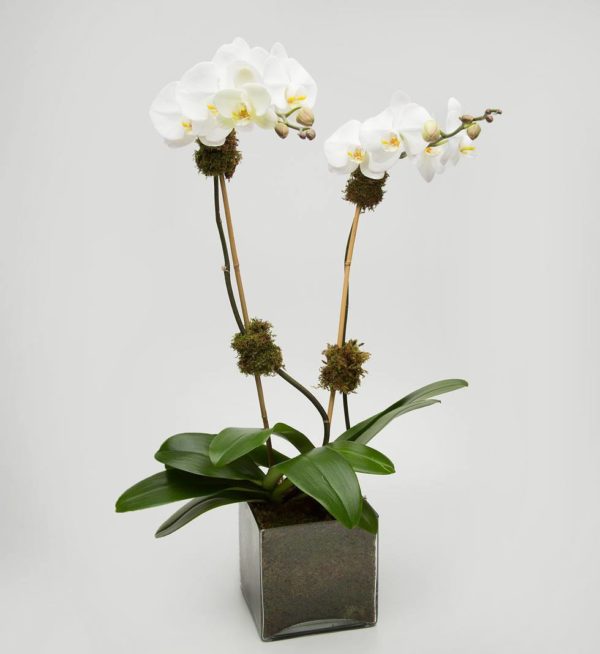
Something not right?
If there's a problem with your order, contact us within 3 days of delivery or pickup with your order number and a photo, and we'll take a look. Call 212-289-1677 · Refund policy
Keep reading
-

Care tips
Just arrived
The first few minutes matter most. What to do with a vase arrangement, a bouquet or an orchid plant, and where to put them so they last.
-

Care tips
Make flowers last
The simple routine that keeps cut flowers fresh, why it works (bacteria, air, ethylene, heat), and the vase-water myths to skip.
-

Care tips
Revive drooping flowers
Most drooping flowers are just thirsty. How to rescue roses, hydrangeas, tulips, gerberas and lilac, and when a bloom is truly done.


