Cut flower care
How to Care for Cut Lilacs
Lilacs are fragrant but short-lived in a vase. Strip the leaves, recut the woody stems, keep the water cool and topped up, and give them a cool room.

- Vase life3 to 5 days
- WaterTop up daily, fresh water every 2 days
- Where to put themCool room, out of sun, heat and drafts
- PetsCommon lilac not on ASPCA lists; ask your vet
- Care levelNeeds attention
- SeasonSpring
Lilacs bring a whole room of spring scent into a vase, but they are one of the shortest-lived cut flowers we work with. Expect about 3 to 5 days from a stem with good care. The one thing that matters most is water getting up that woody stem, so a fresh cut, few leaves and plenty of cool water make all the difference.
When your lilacs arrive
Lilac usually comes to you mixed into a vase arrangement with roses, tulips or other spring flowers. The design sits in water, so the routine is simple:
- Unwrap the arrangement right away and check the water level. Lilac drinks hard, so top the vase up with cool tap water before you do anything else.
- Pick a cool spot out of direct sun, away from radiators, heat vents and the draft of an air conditioner.
- Stir the flower food packet we include into the vase water now. At the first full water change, use fresh, cool water, with more flower food if you have it.
- If a lilac head already looks limp when it arrives (a long trip in a warm car or a lobby can do that), give that stem a fresh cut as described below and put it straight back in water.
Lilac set in green foam needs the foam soaked daily; a woody stem pushed back into foam rarely drinks well again.
Everyday care
- Top up the vase every day. Lilac and the flowers around it can empty a vase faster than you expect.
- Change the water every 2 days or so, or sooner if it turns cloudy. Rinse the vase, refill with cool water and add flower food.
- Each time you change the water, re-trim the stems about an inch with a sharp knife or clean pruners.
- Pull off any leaves that sit below the waterline. They rot fast and cloud the water.
- Keep the vase cool. A bright, warm windowsill will finish lilac in a day or two.
For the full routine that works for every flower, see our guide to making cut flowers last.
Make them last longer
Lilac is a woody shrub, not a soft-stemmed flower, and it needs a little extra help to drink.
- Strip most of the leaves. Lilac leaves pull water away from the flower head. Florists and public gardens remove most or all of them from cut stems. If you like the look of a few leaves, keep only one or two near the bloom.
- Make a clean, angled cut. Cut under running water or with the stem end in a bowl of water if you can, then move it straight into the vase.
- Split the stem if you like. A vertical slit 1 to 2 inches up the stem end, made with pruners or a knife, opens more of the wood to water. It is optional. Please don't hammer or crush the stems: it tears the tissue that carries water and makes the end rot sooner.
- Use cool water and flower food. Flower food feeds the bloom, keeps the water slightly acidic so stems drink better, and slows bacteria. Skip the home recipes (sugar, soda, aspirin, pennies). Sugar on its own mostly feeds bacteria.
- Give it a cool night. Moving the vase to the coolest room in the home overnight slows the flowers down.
- Take out spent stems. When one lilac head browns, lift it out so the rest of the arrangement stays fresh.
Common problems
Why did my lilac wilt within a day?
Almost always the stem stopped drinking: an air bubble, a dry vase, too many leaves or a hot room. Recut the stem, split the end, strip the leaves and stand it in deep, cool water in a cool, dim spot for a couple of hours. Many heads perk back up. Our guide to reviving drooping flowers walks through it step by step.
Will the closed buds open?
Only a little. Lilac opens very little after cutting, which is why florists choose heads that are already mostly open. Enjoy the flowers as they are rather than waiting for more.
The florets are turning brown. Is that normal?
Yes, toward the end. Lilac is short-lived, and small florets brown and drop first. If it happens in the first day or two, check the water level and move the vase somewhere cooler.
Something looks wrong with my order
Call or email us within 3 days of delivery or pickup with your order number and a photo, and we'll take a look and make it right where we can. The details are in our refund policy.
Good to know
- Pets: Common lilac (Syringa) is not on the ASPCA plant lists at all, either as toxic or as non-toxic, so ask your vet if you have questions. The plant sometimes called "Persian lilac" (the chinaberry tree, Melia) is a different plant and is toxic. Arrangements with lilac often include other flowers that are not safe: lilies are life-threatening to cats, even the pollen or vase water, and tulips, hyacinths and callas are toxic to pets too. See our pet-safe flowers guide, and if you think a pet ate any part of an arrangement, call your vet or the ASPCA Animal Poison Control Center.
- Scent: Lilac is known for its sweet fragrance. In a small office or a hospital room, check whether strong scents are welcome.
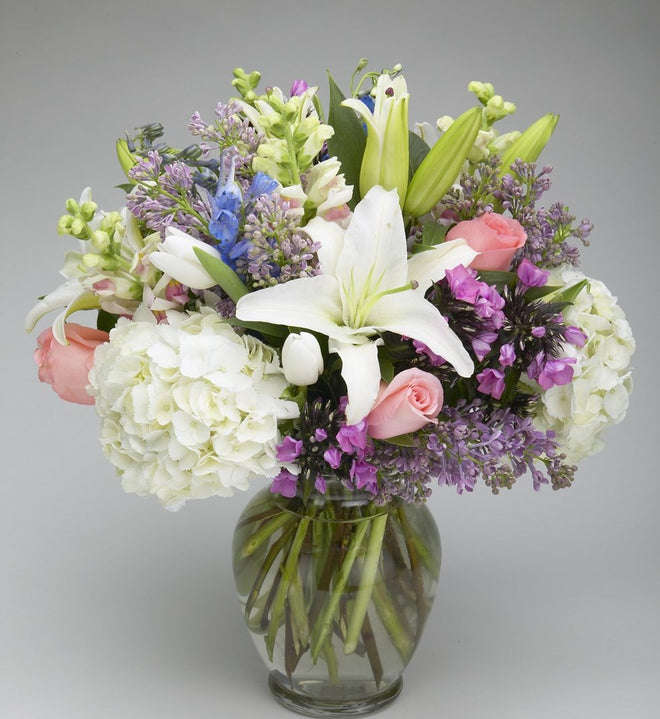
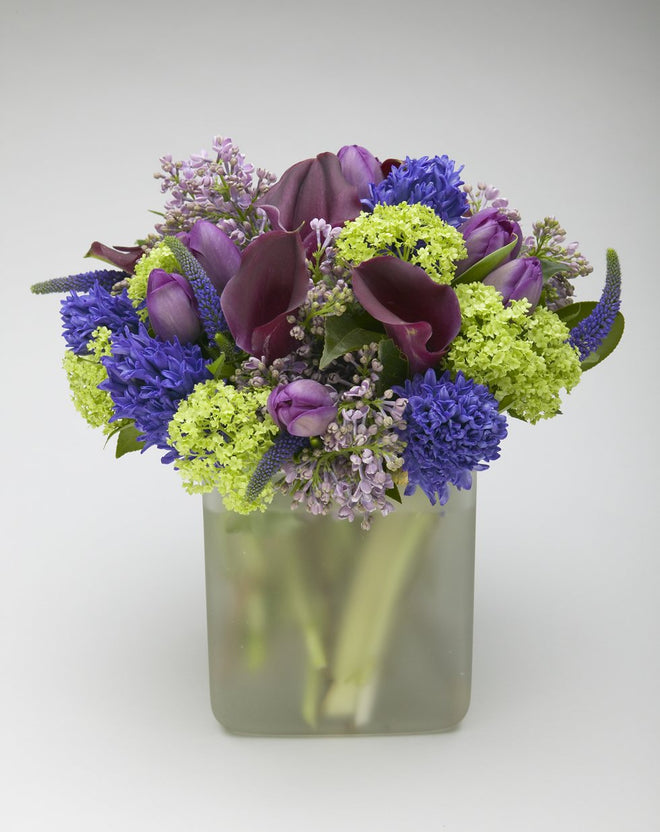
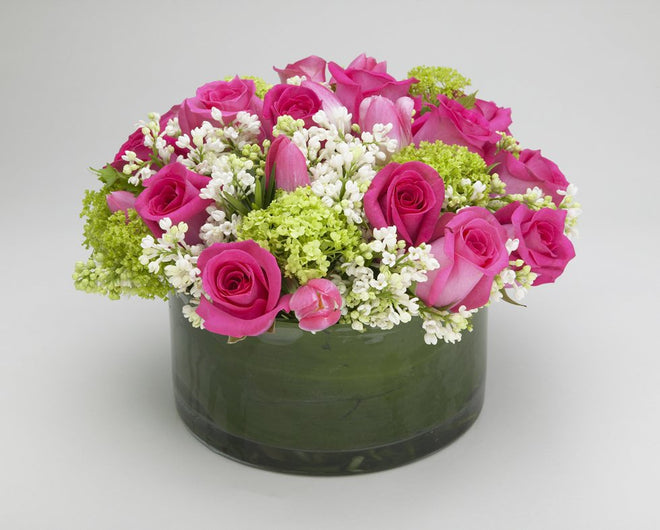
- Colors: In our arrangements you may see white lilac or lilac in soft purple tones, paired with roses, tulips, hyacinths, callas or lilies.
- Season: Lilac is a spring flower, roughly April and May from local growers; imported and greenhouse stems can stretch the season. Availability changes, so ask the shop if you want lilac in a design.
- Meaning: Lilac is often linked with first love and the arrival of spring.
Our designs with lilacs
Something not right?
If there's a problem with your order, contact us within 3 days of delivery or pickup with your order number and a photo, and we'll take a look. Call 212-289-1677 · Refund policy
Keep reading
-

Cut flowers
Roses
Daily water, clean cuts and a cool spot keep roses going for days. Plus guard petals, thorns, opening buds and the fix for bent neck.
-

Cut flowers
Hydrangeas
Hydrangeas are thirsty and drink through their petals too. Keep the vase full, mist lightly, and soak a wilted head in water to bring it back.
-

Cut flowers
Cymbidium orchids
Cut cymbidium orchids can outlast everything else in the vase. Keep them away from fruit and cold drafts, and leave the center of each bloom alone.


