Care tips
How to Put a Hand-Tied Bouquet in a Vase
Keep the tie, pick a vase about half the bouquet's height, trim the stems to fit and add the flower food we include. No vase? A pitcher works.

On this page
A hand-tied bouquet is built in the hand as a spiral of stems, then tied and wrapped so it can go straight into your own vase. Getting it into water takes about five minutes. The one thing that matters most: get the stems into clean water with flower food as soon as you can.
Unwrap it the right way
- Set the bouquet on a table or in the sink. Remove the outer paper and any wrap, bag or wet tissue around the stems.
- Find the tie that holds the stems together, just below the flowers. Leave it on. It keeps the spiral in shape, so the bouquet stands up and fans out in the vase the way we designed it.
- If a ribbon or bow sits over the tie, you can keep it for the look or slip it off. Just don't cut the binding underneath.
- Pull off any leaves that will sit below the water line. Leaves in the water rot and feed bacteria, which clog the stems.
Take the bouquet out of a hot car or a cold lobby before you start. If a doorman held it for a few hours, it will be thirsty, so move quickly.
Choose the right vase
- Height: a good rule of thumb is a vase roughly half the height of the bouquet (anywhere from 40 to 60 percent). Too short and the bouquet tips over; too tall and the flowers disappear inside it.
- Opening: the neck should hold the tied stems snugly without squeezing them. The flowers should rest on the rim and spread out. A very wide mouth lets a small bouquet flop to one side.
- Weight: pick something heavy enough not to tip. A bouquet with roses, callas and sunflowers is top-heavy.
- Clean: wash the vase with hot, soapy water and rinse it well. Leftover film from the last flowers is full of bacteria.
Some of our bouquets, such as Erly Riser, have a With Vase option. If yours came with a vase, simply add water, food and the flowers.
Trim stems to fit
- Fill the clean vase first with water and the flower food we include (see the next section), so the stems can go straight in after cutting.
- Hold the bouquet up next to the vase, with the tie just at or just below the rim. Look at where the stems should end: they need to reach close to the bottom, with the flowers sitting just above the rim.
- Cut all the stems together at that length with sharp shears or a sharp knife. If the bouquet already fits, still take a fresh inch off the ends so they can drink.
- Cut at an angle. A slanted cut has more surface to drink from and doesn't sit flat on the vase floor.
- Put the bouquet in water right away. Cut ends left in the air start to seal.
Don't crush or hammer stems. A clean cut drinks better than a mashed one.
Water depth and flower food
- Use the flower food packet we include with every order. Mix it with the amount of water printed on the packet; most are made for a pint or a quart. Too little water makes the mix too strong, too much makes it too weak.
- Fill the vase about half to two-thirds full with cool or room-temperature tap water. Most of our mixed bouquets are happy at that depth.
- Gerberas are the exception. If your bouquet is mostly gerberas, keep the water shallow, just an inch or so, and top it up more often. Their hairy stems pick up bacteria easily and soften in deep or dirty water. Our gerbera daisy care guide has more.
- Skip the kitchen tricks. Sugar, soda, aspirin, pennies and bleach recipes don't do what a proper flower food does.
No vase? Use what you have
- A water pitcher is the classic stand-in. It is usually tall and heavy enough to hold a bouquet upright.
- A large jar, such as a pasta sauce or pickle jar, works well for smaller bouquets. Wash the label and any smell off first.
- A clean ice bucket or a tall drinking glass can hold a short bouquet for a day or two.
- At the office, a clean water bottle with the top cut off, set inside a mug or a box for weight, will get you through the day.
- Whatever you use, make sure it holds water, is clean and won't tip. Trim the stems to fit, as above.
Then think about a real vase for next time. Several of our hand-tied bouquets can be ordered with a vase.
The next few days
- Top up the water every day. A full bouquet can drink a lot, especially in a warm apartment.
- Change the water every two days or so, or sooner if it turns cloudy. Rinse the vase, re-cut the stems and refill with fresh water. If you mixed more flower food than the vase held, use the extra for refills; once it runs out, clean fresh water is fine.
- Keep the vase in a cool spot, away from direct sun, radiators, heating vents, air-conditioner blasts and the fruit bowl. Ripening fruit gives off ethylene gas, which ages flowers faster.
- Pull out any flower that fades so the others stay fresh. Leave the tie on as long as the bouquet holds together.
With good care at room temperature, most mixed bouquets look good for about 5 to 10 days, depending on the flowers. For more, see how to make cut flowers last and how to revive drooping flowers.
From this guide
Shop all Bouquets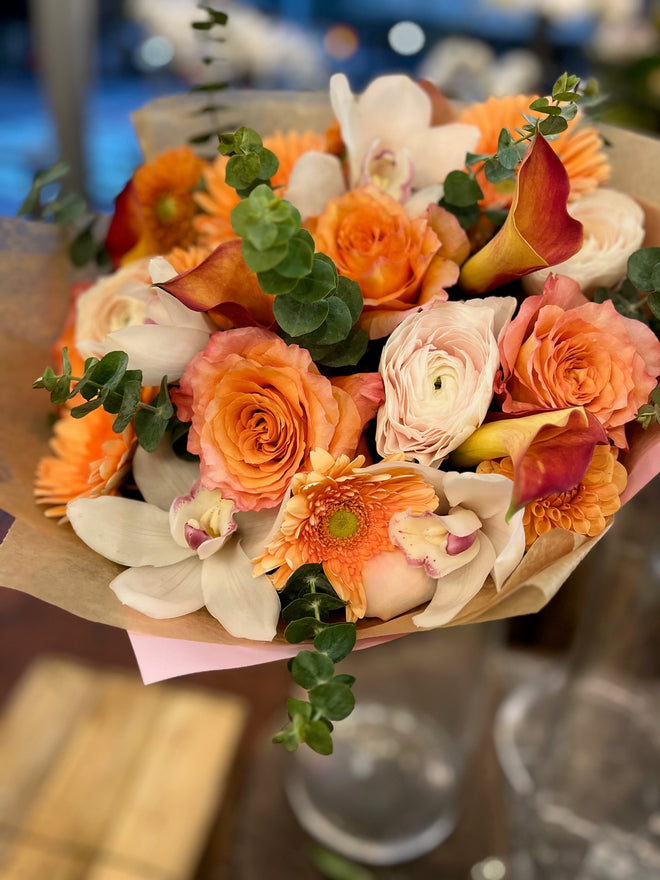

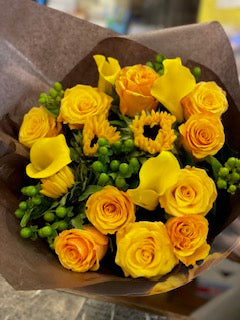
Something not right?
If there's a problem with your order, contact us within 3 days of delivery or pickup with your order number and a photo, and we'll take a look. Call 212-289-1677 · Refund policy
Keep reading
-

Care tips
Pets and flowers
Lilies are dangerous to cats. Here is the ASPCA status of 23 popular flowers, what to do if a pet eats one, and pet-friendlier picks.
-

Care tips
Just arrived
The first few minutes matter most. What to do with a vase arrangement, a bouquet or an orchid plant, and where to put them so they last.
-

Care tips
Make flowers last
The simple routine that keeps cut flowers fresh, why it works (bacteria, air, ethylene, heat), and the vase-water myths to skip.


